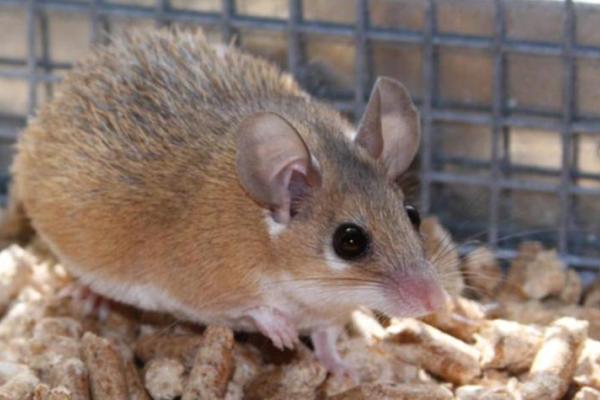
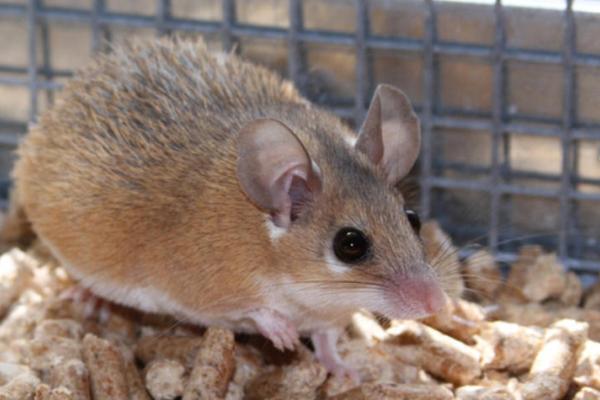
Research at the University of Kentucky is looking to nature to better understand cellular processes that permit lost tissue to regenerate in spiny mice — processes that might lie dormant in humans.
Findings from a new University of Kentucky College of Medicine study published in the Journal of Biological Chemistry may lead to a new treatment against Toxoplasma gondii, the parasite that causes toxoplasmosis.
A recent publication from UK researchers explains the importance of identifying and understanding how differences between tissues and cells alter gene expression without changing underlying genetic code.
Nearly three decades after first discovering the tumor-suppressing Par-4 “super gene” that has been shown to kill cancer cells, a team of researchers at the University of Kentucky Markey Cancer Center is now learning about its role in preventing obesity.
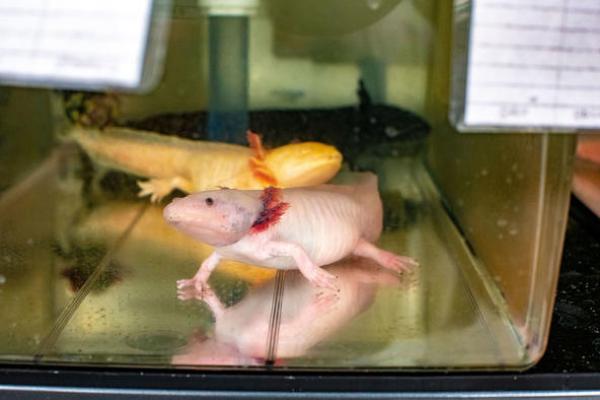
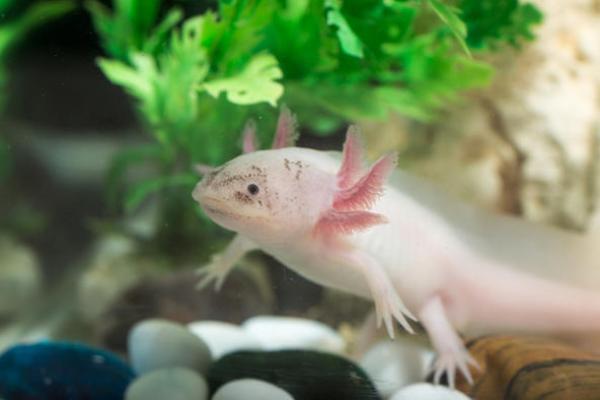
Through reconstructing an evolutionary history a UK-led team, in collaboration with researchers from Mexico, have discovered that genetic differences between axolotls and other salamanders in their region of Mexico were almost indistinguishable.
Research published in Nature Regenerative Medicine shows a unique ability of this mammalian species to grow new blood vessels and reduce cardiac tissue damage after a heart attack.
A recently released paper from the Department of Physiology and Sanders-Brown Center on Aging (SBCoA) suggests that genetics can influence response to Alzheimer’s disease pathology.
University of Kentucky College of Medicine researchers were part of a recently published study giving insight into how limb development evolved in vertebrates.