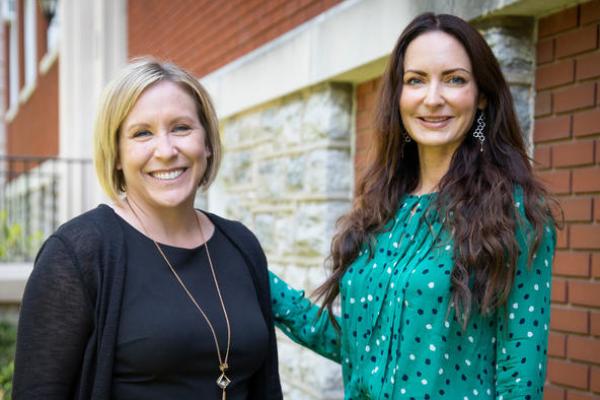
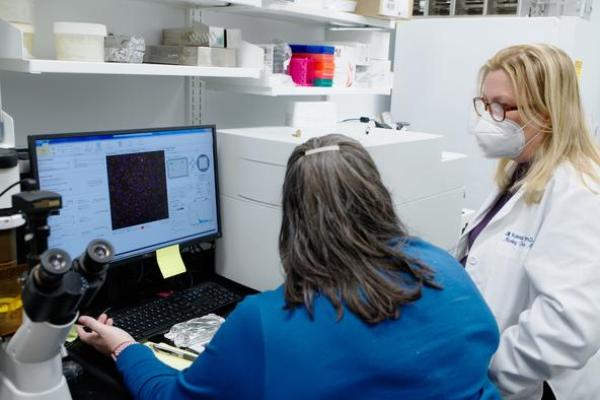
A team of researchers has received a $3.7 million grant from the National Institutes of Health to find out why people in the Appalachian region of Kentucky have consistently poor sleep outcomes.
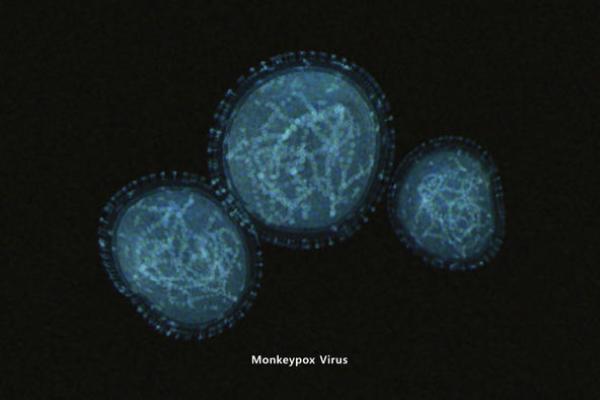
University of Kentucky immunology and virology expert Ilhem Messaoudi, Ph.D., answers questions about the monkeypox virus — including symptoms, risk, and treatment.
According to a new University of Kentucky College of Medicine study, asymptomatic COVID-19 infection during pregnancy could still have potential long-term consequences for a developing baby.
The program is creating a unique pipeline to increase science, technology, engineering and math (STEM) literacy and promote STEM careers for traditionally underrepresented populations.
A prestigious Centers of Biomedical Research Excellence (COBRE) grant award from the National Institutes of General Medical Sciences totaling $11.4 million will continue to fund UK’s Center for Cancer Metabolism over the next five years.
Childhood cancer rates in Kentucky appear to be higher than the national rates for several cancer types. The UK Markey Cancer Center provides leading care to children in Kentucky, identifying new mechanisms causing these cancers and developing new treatment modalities.
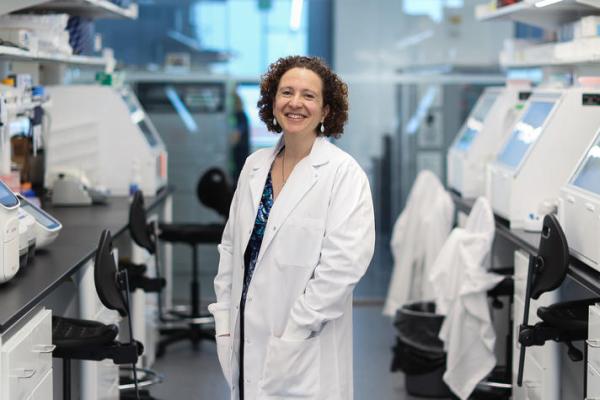
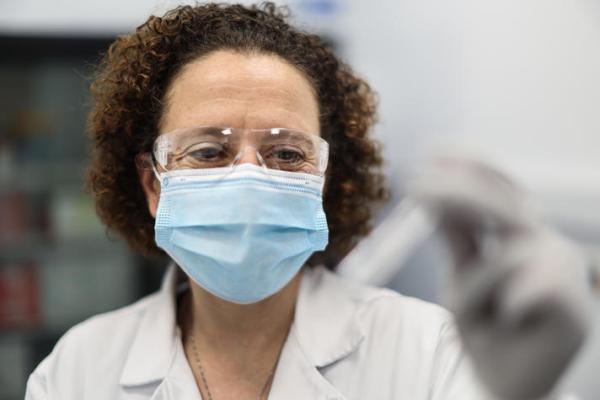
UK College of Medicine researcher Ilhem Messaoudi, Ph.D., has dedicated her career to developing a better understanding of how the immune system works, paving the way for improving how people respond to vaccines and infections.
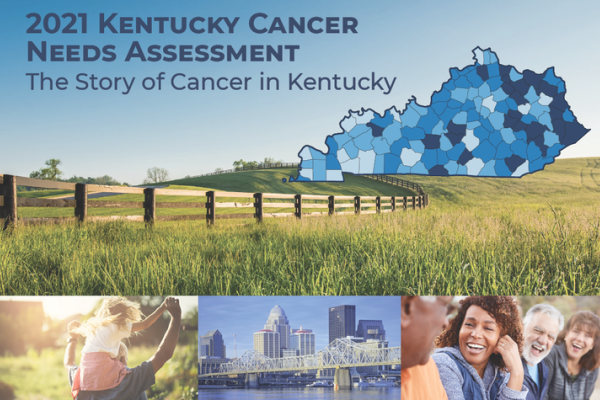
The report, released every five years, combines data and community perspectives that illustrate how social determinants of health, behaviors and biology intersect.
This blog is written by B. Mark Evers, M.D., director of the University of Kentucky Markey Cancer Center, in recognition of National Cancer Research Month.
Ilhem Messaoudi, Ph.D., chair of the University of Kentucky College of Medicine’s Department of Microbiology, Immunology, and Molecular Genetics, answers questions on the latest on SARS-CoV-2 and what we might expect in the future.