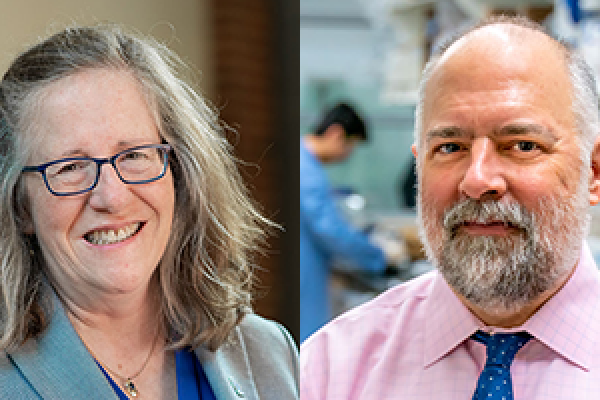
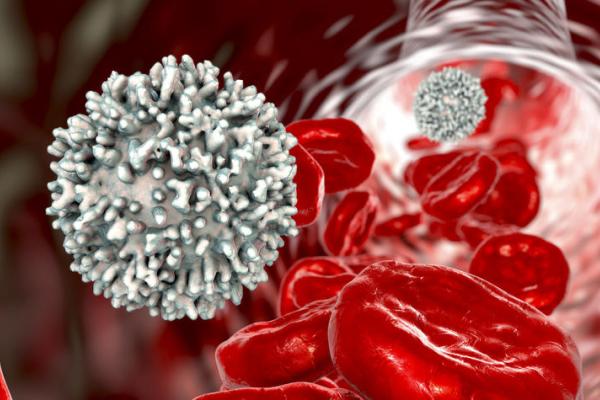
Rebecca Dutch typically studies the steps of infection for viruses, but she's taking a closer look at the novel coronavirus these days and leading the College of Medicine’s COVID-19 Unified Research Experts (CURE) Alliance team.
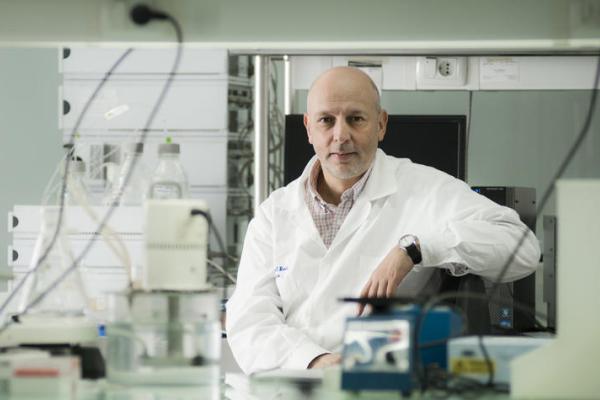
Next week, UK College of Medicine and the Department of Chemistry in the UK College of Arts and Sciences will host renowned biochemist Dr. Rafael Radi for two special events on campus.
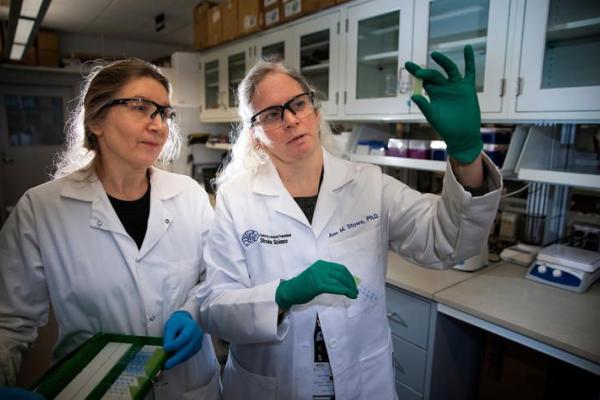
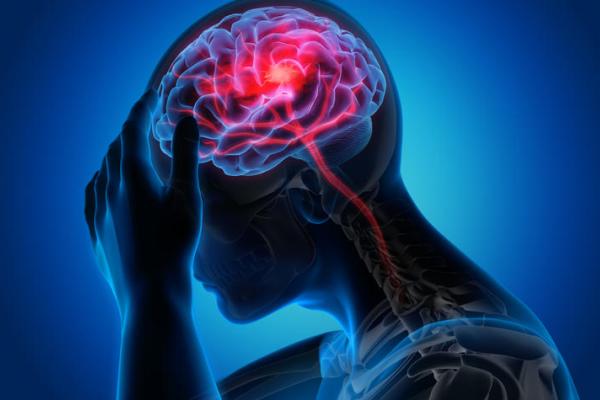
In this edition of People Behind Our Research, UK's Ann Stowe explains her work to understand how inflammation after stroke can be shaped to support rewiring in the brain and recovery of function that might be lost with injury.
In its sixth consecutive year, the Healthy Hearts for Women Symposium features scientists from UK and universities across the country, who present research and new findings in women’s heart health and translational cardiovascular medicine.
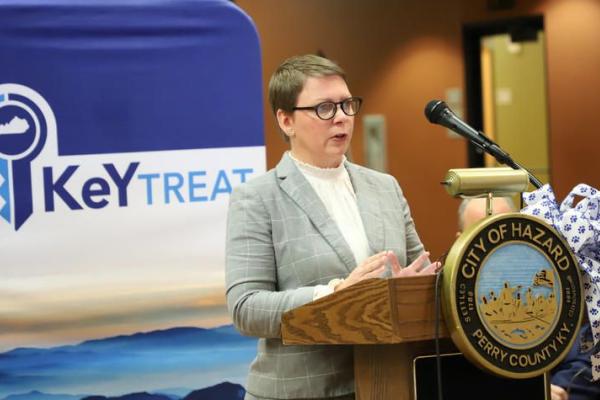
UK officials provided updates on the Kentucky Viral Hepatitis Treatment Project (KeY Treat), a three-year, $15 million study co-funded by NCI and NIDA with the ultimate goal of eradicating the hepatitis C virus (HCV) in Perry County, KY.
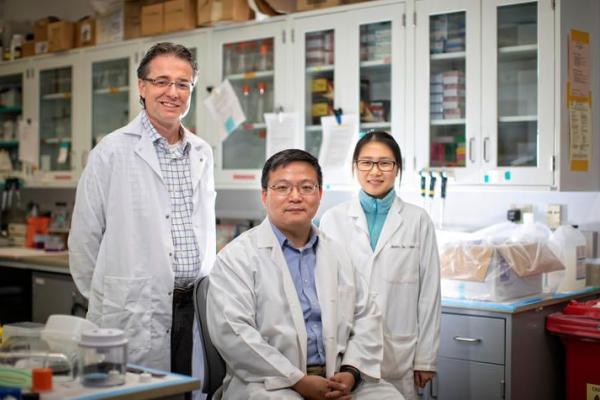
Researchers at UK's College of Medicine have found that a class of antibiotics could be promising treatment for a form of dementia. Results of their proof of concept study were recently published in the journal Human Molecular Genetics.
New research shows that the microorganisms in our gut could help protect brain cells from damage caused by inflammation after a stroke. The study reveals that supplementing the body’s short chain fatty acids could improve stroke recovery.
Subbarao Bondada, professor of microbiology in the Department of Microbiology, Immunology and Molecular Genetics, has been named a Fellow of the American Association for the Advancement of Science (AAAS).