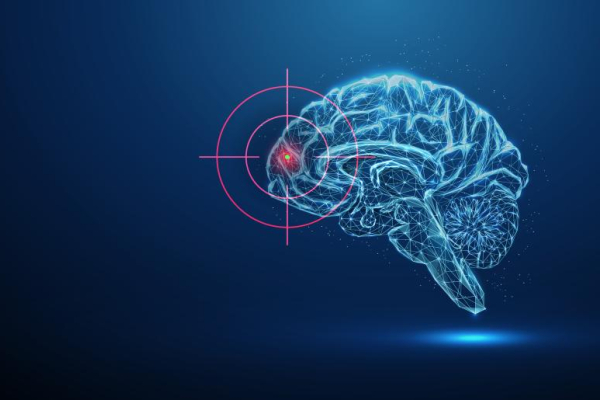
A UK study reveals a distinct immune “fingerprint” in the blood of patients who develop amyloid-related imaging abnormalities (ARIA) after Alzheimer's treatment with lecanemab.
UK researchers are using an innovative technique called data sonification to transform complex biological information — such as protein structures and gene mutations — into musical sound.
A world-class neuroscientist, educator, and explorer, Greg Gerhardt has built a career defined by innovation and pushing the boundaries of brain repair and Parkinson’s disease treatment through research.
By applying the focus and persistence he practices at table tennis to his Alzheimer’s research, doctoral student Xizhi Xu is already making his mark at UK's College of Public Health.
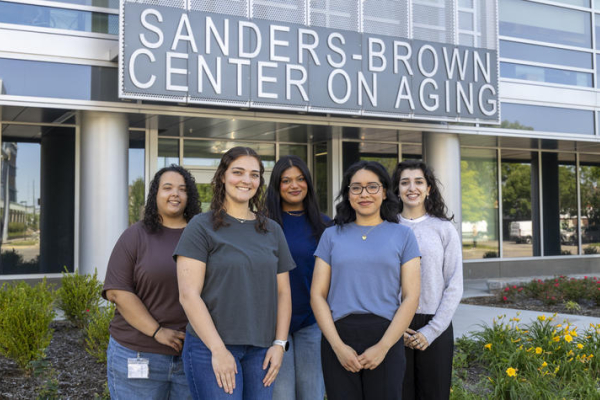
Collaboration between the UK Sanders-Brown Center on Aging, Markey Cancer Center and the Department of Radiology is changing how Alzheimer’s disease and related dementias are detected, understood and treated.
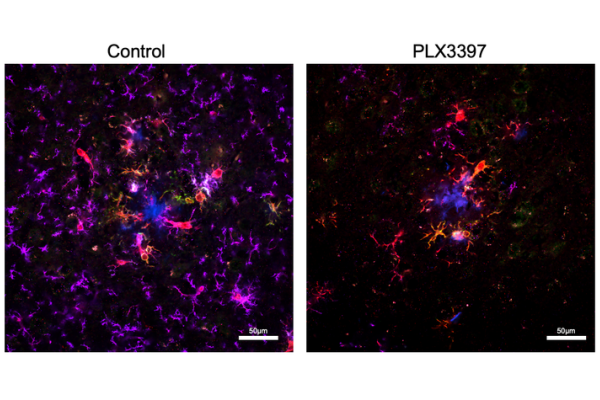
UK researchers have developed a new experimental model that could point the way toward more effective Alzheimer’s disease treatments by targeting one of the brain’s most important genes for risk and resilience.