Skip to main
University-wide Navigation

Research Volunteers Drive Discoveries at Sanders-Brown Center on Aging

Thanks to volunteers, SBCoA has played a role in many landmark discoveries, including debunking the theories that aluminum or mercury cause Alzheimer's, identifying so-called "AD mimics", and proving that there are changes in the brain decades before there are outward symptoms of AD.

Behind the Blue: Sanders-Brown Director Linda Van Eldik Looks to the Future of Alzheimer's Research

In this episode of "Behind the Blue," Sanders-Brown director Linda Van Eldik talks about the center's involvement in some of the most important discoveries in the history of Alzheimer's research and what they are doing now to advance the science.

When is Alzheimer's Not Alzheimer's? Researchers Characterize a Different Form of Dementia

In the past, using "Alzheimer’s disease" & "dementia" interchangeably was a generally accepted practice. Now there's rising appreciation that a variety of diseases & disease processes contribute to dementia.

A Low Dose Aspirin for Dementia? Drug Ready for Human Testing

Linda Van Eldik, director of the UK Sanders-Brown Center on Aging, received $5.5 million from NIH and the Alzheimer's Drug Discovery Foundation. She developed a drug that is ready for its first round of testing in humans.

Does Smoking Cause Dementia? Maybe Not, Study Says

It's an irrefutable fact that smoking is bad for you. Study after study has proven that smoking increases your risk for cancer, heart disease, diabetes – even blindness. But dementia? Not so fast. A recent study has demonstrated that smoking is not associated with a higher risk of dementia.


Register for Markesbery Symposium's Scientific, Community Sessions

The 8th Annual Sanders-Brown Center on Aging's Markesbery Symposium will take place Oct. 26-27.

Two Sanders-Brown Studies Show Connection Between Diet, Cognitive Function

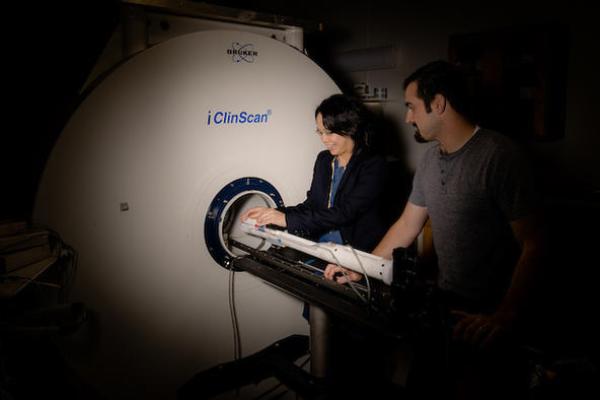
Two studies from Ai-Ling Lin's lab in the Sanders-Brown Center on Aging demonstrate the effect of diet — specifically the Ketogenic diet and simple caloric restriction — on cognitive health in animals.