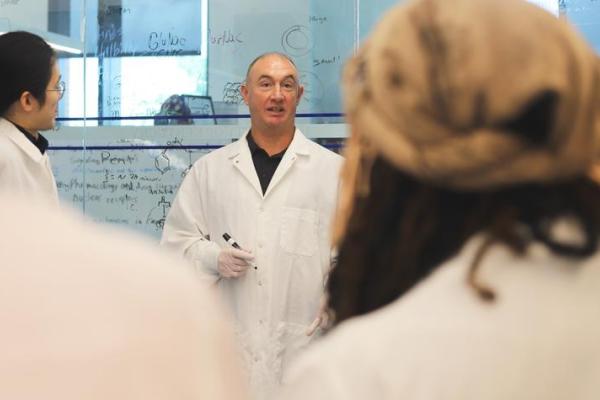
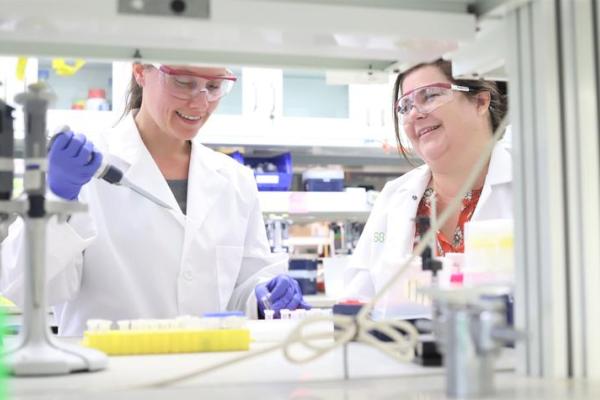
The lab of Terry Hinds, Ph.D., is advancing scientific discovery at UK, and also helping undergraduate students, graduate students and postdoctoral fellows gain early experience with high-impact work.
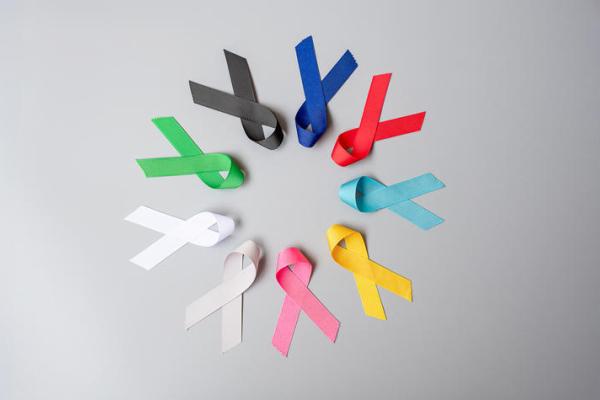
While cancer survivors have an increased risk of developing cancer in the future, that risk is notably higher in Kentucky and Appalachian Kentucky, according to a new University of Kentucky Markey Cancer Center study.
The University of Kentucky Center for Appalachian Research in Environmental Sciences (UK-CARES) recently welcomed its fourth cohort of Faculty Fellows in Science Communication.
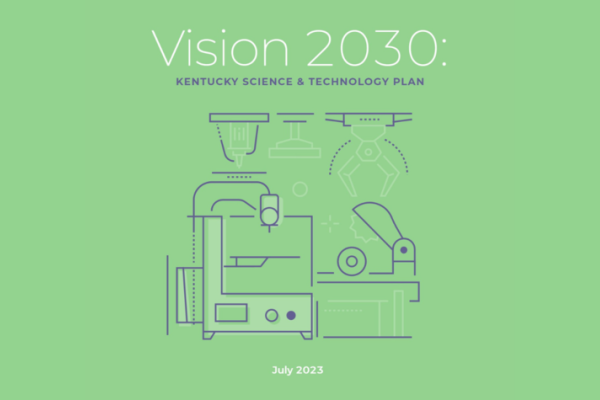
The Kentucky Statewide EPSCoR Committee, the governing body of the state’s National Science Foundation Established Program to Stimulate Competitive Research (EPSCoR) program voted to adopt the Kentucky Science & Technology Plan: Vision 2030.
The next seminar will highlight the work of LaTrice Montgomery, Ph.D., a research associate professor from the University of Cincinnati's College of Medicine.
Using antibodies derived from alpacas, a University of Kentucky research team has developed a tool that could lead to new therapies to stop the growth of several types of cancer.
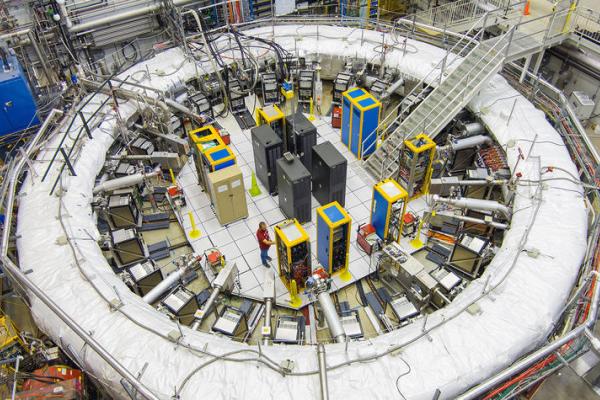
A group of faculty, postdoctoral scholars and students from the Department of Physics and Astronomy, supported by the National Science Foundation, are part of an international collaboration of scientists exploring uncharted territory in search of new physics.
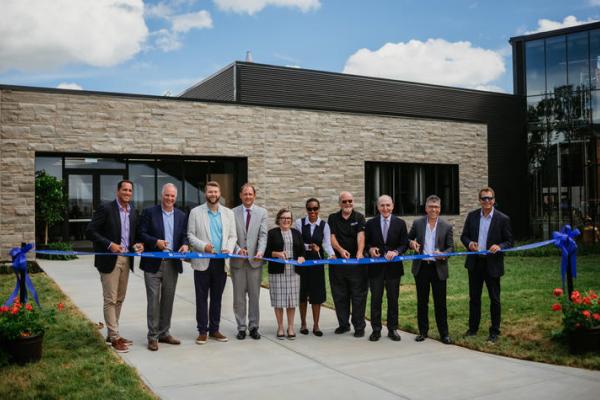
The James B. Beam Institute for Kentucky Spirits officially opened its doors today, elevating the institute’s impact on research, workforce development, education and outreach.
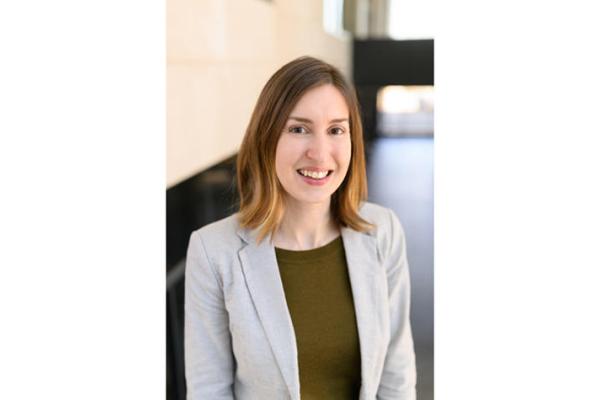
The inaugural cohort of President Biden’s Cancer Moonshot Scholars includes University of Kentucky Markey Cancer Center researcher Laurie McLouth, Ph.D.